Living Color Palette
Numbered dye set, swatch card, extraction notes.
Price on WhatsApp
Ask for the PaletteWe weigh every skin, stalk and offcut. Then we turn them into color, material, soil and public data. This is not waste management. This is a new material system for the city.
Weighing starts now. The Bank fills as the scale log fills.
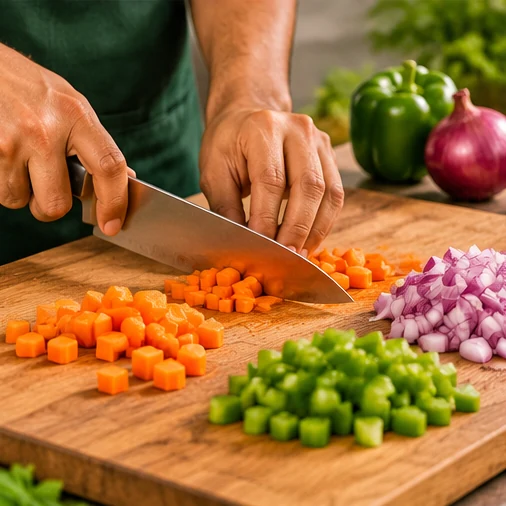
Every crate of peels is weighed, sorted and directed. Nothing is mixed into general waste. Everything is accounted for in the Peel Bank and turned into something people can hold, wear, plant or study.
From our chopping station, home kitchens, and partner societies and cafés.
Every kilo is logged. Onion skins never meet cattle feed. Dry and wet stay separate.
Into soil, dye, bioplastic, paper, leather samples, and workshop material.
Full public ledger. Monthly reports. Traceable products with origin data.
Different peels go to different places. Pick one and watch where it ends up.
Color extracted from the city. Every month we release a limited palette made only from that month’s actual peels. Numbered. Dated. Traceable to the kitchens that produced it.
#E8A317#C45C26#8B5E3C#D4763A#6B4C9ApH reactive#2F5D3APalette 11, November 2026. 28.7 kg of peels from 61 kitchens. Preview
Cabbage Shift, No. 05, reacts to pH. Drag the slider and watch the swatch above move from pink through violet to green.
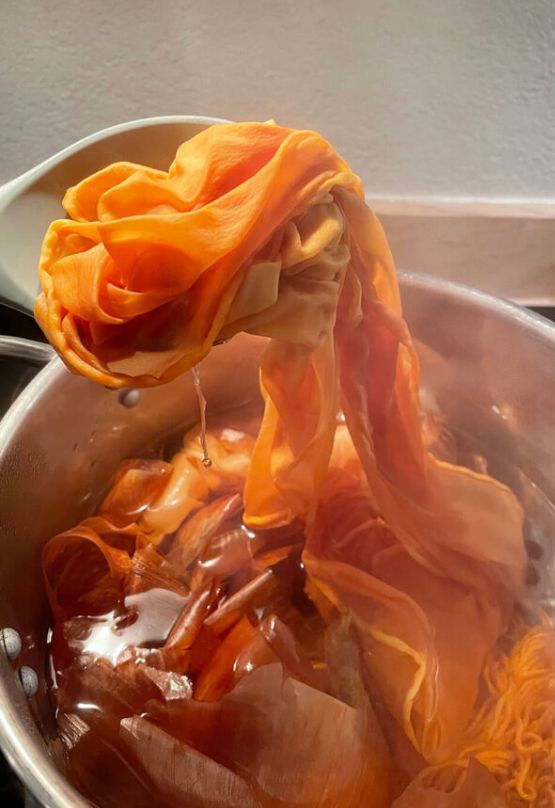
Dry onion skins go into the pot. Heat, time and the right mordant do the rest. The cloth comes out carrying the color, and the color gets a number.
Systematic mapping of every common vegetable peel. Contribution to an open Peel Color Index.
Join the research listOne-day intensives where ordinary peels become new materials you can hold. No industrial machinery. Process, patience, and the right chemistry.
Strong textured sheets from fibrous peels. Notebooks, tags, packaging, art.
Flexible translucent sheets from starch-rich peels (potato, banana). Compostable. Formable when warm.
Flexible sheets with a leather-like hand. Early samples: card holders, bookmarks, small goods.
Lightweight protective material. Still in testing.
In testingDrawing and filtration grade, from controlled carbonisation.
Pressed panels for furniture and surface samples. Longer process.
Every object carries the story of the biomass that made it. Not “recycled.” Origin-known. City-sourced. Limited by what Jaipur kitchens actually produced that month.
Numbered dye set, swatch card, extraction notes.
Soil from sorted peels. Origin on every bag.
Bound in paper from fibrous peels. Batch numbered.
Roots + Peel Soil + card. Spring onion, bok choy.
Bioplastic + peel paper + early leather, for designers.
Clean stock from cauliflower stalks and carrot tops. In testing.
One account for everything your kitchen throws away. Sort it, send it all to one place, get it weighed — once a month your account matures into cash, Peel Points, or a donation in your name.
“We stopped calling it waste the day it started paying us back.”— a Peel Bank depositor, Malviya Nagar
Three simple piles: dry onion & garlic skin, fruit & veg peels, stems & trimmings.
Everything goes to one place — your delivery pickup or the nearest Peel Collector. No separate lines to remember.
Each category weighed in front of you, added to your account the same day.
On the 1st, the month's deposits mature. You choose cash, Peel Points, or a donation.
| Category | Rate / kg | Goes to |
|---|---|---|
| Dry onion & garlic skin | ₹15 | Living Color Lab |
| Fruit peels, dry-ish | ₹12 | Dye & material trials |
| Mixed vegetable peels | ₹8 | Peel Soil / compost |
| Stems & trimmings | ₹6 | Scrap Stock / compost |
| Deposited every week this month | +10% | Consistency bonus |
Sorted and clean, every category qualifies. Mixed with regular wet waste or cooked food, it doesn't get weighed. That's the one rule.
Paid on the 1st via UPI, straight to your account.
Same value plus 15% bonus — redeemable on any kit or Peel Project product.
Send your payout to Peel & Bloom — school gardens, gaushala feed, surplus meals.
Enter the phone number on your Chopskip account to see this month's deposits and payout.
Every household and Peel Collector, with names shortened for privacy.
Demo data, shown for illustration.“We built the Peel Bank on one idea: if a peel has a price, people stop throwing it away. Weigh it, log it, pay for it — and sorting becomes a habit nobody has to be reminded of.”— The founder, Chopskip & The Peel Project
Any raw vegetable or fruit peel, skin, stem or trimming from your kitchen. No cooked food, no meat or bones, no plastic or packaging.
No. Drop it off sorted — our pickup team or your nearest Peel Collector weighs it in front of you and logs it on the spot.
That bag is collected but left out of payout — it just won't be logged or paid for. Clean bags next time, same rate as always.
On the 1st of every month, for everything deposited the previous month. Cash, Points, or a donation — your choice, confirmed by the 28th.
No minimum. Even 200g counts, is added to your account, and carries forward if it's a slow week.
Yes, as a Peel Collector, with a fixed pickup day and the same monthly statement, just at a larger scale.
One WhatsApp message to start. We'll confirm your first pickup day.
Rates shown are launch rates for Jaipur and may be revised as volumes grow. Full monthly statements published as PDFs.
Households and workshop participants become sensors. Simple logging turns private kitchen scraps into the most detailed public view of vegetable biomass any Indian city has published.
Preview numbers
Each mark is one kitchen logged in November.
WhatsApp-based. Under 2 minutes a day.
Two main series. Both produce something you take home. Both feed the Peel Bank and the Observatory.
Peel to dyed cloth and a personal swatch book. Includes that month’s numbered palette. Beginners and intermediate.
Peel paper, a bioplastic sheet, and charcoal samples in one day. Process notes and care guide included.
Technical sessions for people contributing to the Peel Color Index. Limited seats. Announced quarterly.
We collect with your vegetable delivery. Peel Points, and occasional soil or dye samples. Your peels enter the Peel Bank and Observatory.
Start home collectionSocieties, cafés, tiffin kitchens, hostels, schools. Fixed pickup day, weighing in front of you, monthly Peel Certificate.
Apply as collectorThey are the beginning of color, material, soil and public knowledge. Jaipur is the first laboratory.